Django Jane
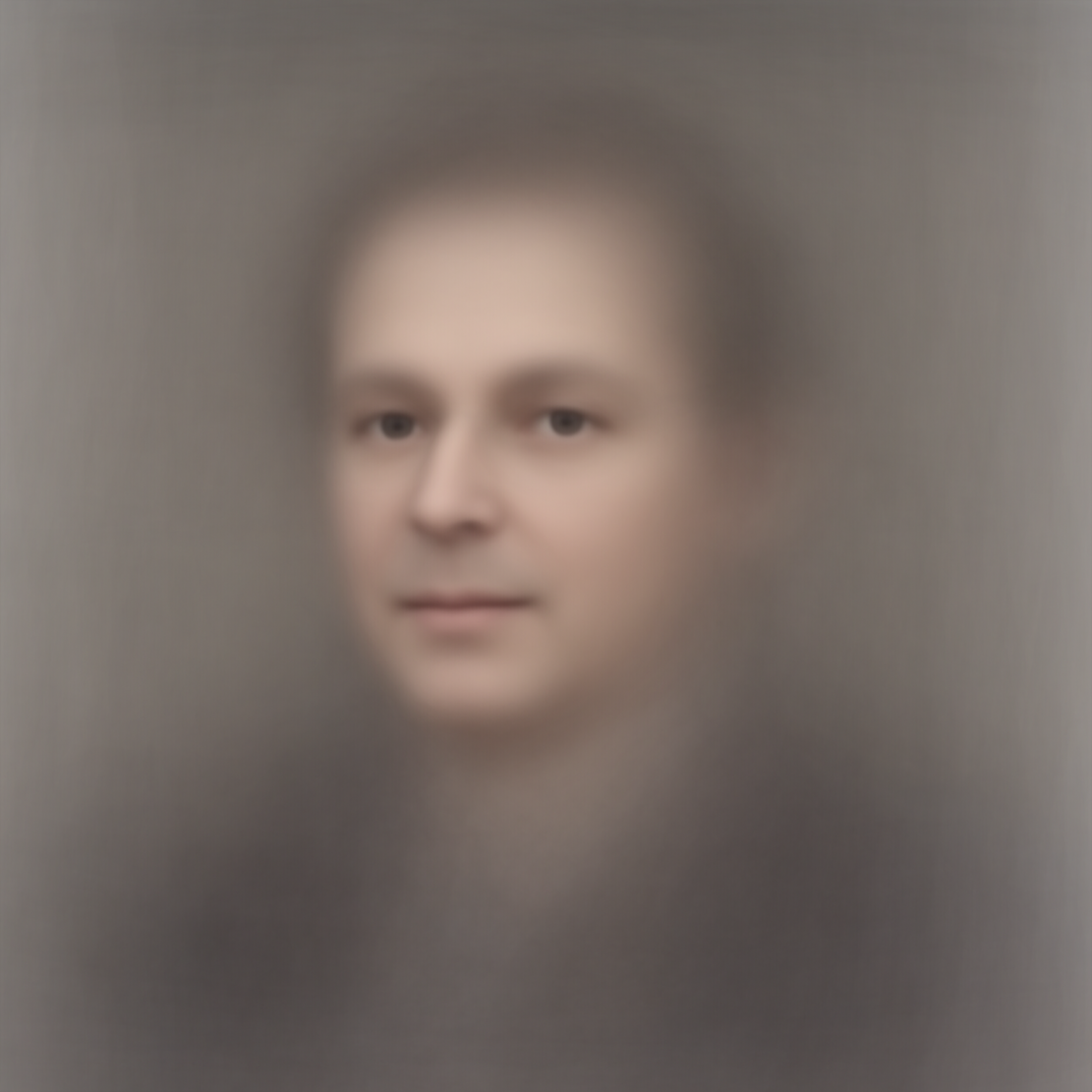
Various Artists.ZOO JKO WAR OMA, Django Jane, digital painting, variable dimensions, 2021.
Django Jane can be read as a silent historiography of Western art music—one that replaces the authority of sound with the ritual of tuning, foregrounding music as a social, political, and embodied practice rather than a finished aesthetic object.
The film assembles more than 2,500 portraits of composers, from Notker Balbulus to Alma Deutscher, progressing chronologically while revealing who has historically been allowed to be seen as a composer. The gradual shift in image-making techniques—manuscript illumination, oil painting, photography, digital images, selfies—mirrors parallel shifts in musical production: from oral and sacred traditions to notation, from court patronage to bourgeois concert culture, from institutional gatekeeping to self-publishing and online visibility.
Crucially, the absence of a composed soundtrack is not a lack but a position. Instead of replaying canonical works—often reinforcing the same hierarchies the film critiques—the project insists on live tuning as its sole sonic element. Tuning is music in its most vulnerable state: unstable, unfinished, collective, and dependent on listening rather than performance. It is also historically charged. From medieval modal systems and meantone temperaments to equal temperament and contemporary extended tunings, tuning embodies centuries of ideological decisions about harmony, universality, and control.
By asking one or more pianos (or harpsichord) to be tuned live during the screening, Django Jane transforms the concert hall into a temporal laboratory. The audience hears friction, beats, adjustments, pauses—sound as negotiation. This resonates directly with the film’s statistical imbalance (28.27% women, 7.65% non-Caucasian composers): tuning becomes a metaphor for the constant recalibration required of those historically excluded from the musical canon.
The title itself, borrowed from Janelle Monáe’s Django Jane, frames the project within a lineage of resistance. As Monáe reclaims voice and authorship through rhythm and language, Django Jane the film reclaims musical history by withholding sound, forcing attention onto structure, representation, and the labor behind harmony.
In this way, the project proposes a radical listening practice: music not as repertoire, but as process, tension, and becoming—a space where history is continuously retuned rather than resolved.
Depending on the budget available for the screening:
i/ Solo: a single piano with a single piano tuner
r/ À Quatre Mains: a single piano with two piano tuners
z/ Ménage à Trois: two pianos with three piano tuners
h/ Quatre Mains A2: two pianos with four piano tuners
b/ Mariage Mixte: a piano, a harpsichord and two piano tuners
D/ À Quatre-vingt Mains: 20 pianos and 40 piano tuners